Day One
8:30 am - 8:50 am Registration and Coffee
8:50 am - 12:00 am PharmaIQ Welcome
8:55 am - 9:00 am Chairman's Opening Address
9:00 am - 9:40 am Generation of Precise Genome Edited Mouse Models for Preclinical Drug Discovery: Opportunities and Limitations
- Hear about past preclinical models and their technical limitations and translation into patients
- Learn how the contribution of CRISPR-generated animal models has facilitated oncology research
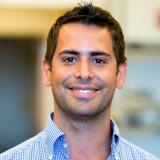

9:40 am - 10:20 am CRISPR in zebrafish: A game-change for functional genomics and drug discovery
- Learn how zebrafish has become the top choice model for functional genomic studies
- Discover how these advantages are being exploited for developing next generation of disease models used in target based and phenotypic drug discover
- Hear about some of the projects and experimental strategies applied to zebrafish, including the identified drawbacks and future developments to implement ZeClinics service portfolio and drug discovery pipelines


10:20 am - 10:50 am Coffee Break
10:50 am - 11:30 am WGE: a CRISPR Database for Genome Editing
- Hear how bioinformatics can be used for pre calculated off-target locations in mouse and human exomes
- Understand the rules for finding and scoring CRISPR sites
- Improve CRISPR library design with in depth evaluation of tools for experimental protocols and data analysis

David Parry-Smith
Senior Scientific Manager & Group Leader Stem Cell InformaticsWellcome Trust Sanger Institute

11:30 am - 12:10 pm 30 Knockout Pathways In Cancer Cell Lines: Elucidating The Important of TGF-β Signaling In Cancer Through Smad 1/5
- Hear how multiple knockouts within a cell have been successfully achieved with the CRISPR technique
- Decipher how the difference between homogenous and heterogeneous preparation of in vitro cell manipulation can improve genome modifications
- Uncover how minimized off target effects have been achieved with CRISPR compared with other gene editing tools

12:10 pm - 1:10 pm Networking Lunch
1:10 pm - 1:50 pm Generating Mouse Models Using CRISPR-Cas Technology
- Know how to create the right protocol for generating mutation variance to model disease
- Learn how technology improvements has benefited transgenic research, but has also challenged the cloning strategy to generate models
- Uncover how to improve the ability to generate simultaneous homologous knockouts in vivo
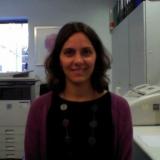
Natalia Moncaut
Transgenic Production Facility ManagerCancer Research UK Manchester Institute

1:50 pm - 2:20 pm Using CRISPR screening to identify the genes involved in resistance and sensitisation to PI3K pathway inhibitors in breast cancer
- Understand how CRISPR screening can be used to identify resistant and sensitive genes related to the P13k pathway
- Learn what the screening data has shown and how the project is already achieving success
- Plan your CRISPR screening technique around the challenges uncovered and overcome in this project

Shanade Dunn
Postdoctoral FellowWellcome Trust Sanger Institute in collaboration with AstraZeneca

2:30 pm - 3:10 pm Roundtable Discussion
These round table discussions will all in depth discussion on the different tools used for perfecting the delivery system of the Cas9 complex in different tissue applications
- Round table 1: Delivery of CRISPR/Cas9 in germ line cells
- Round table 2: Delivery of CRISPR/Cas9 in somatic cells
- Round table 3: Delivery of CRISPR/Cas9 in non-dividing cells
- Round table 4: Screening capabilities of CRISPR/Cas9

Madina Karimova
Head of Core FacilityGeorg Speyer Haus Institute for Tumor Biology and Experimental Therapy

3:10 pm - 3:40 pm Coffee Break
3:40 pm - 4:20 pm Using CRISPR In Patient Relevant Model Settings
- Determine how different applications are being applied in both in vivo and in vitro experiments
- Learn how to translate discovery at the bench into tangible clinical outcomes
- Hear how leading research have used novel models in a range of pre clinical trials to advance our understanding of disease
Ali Nowrouzi
Senior Scientist (Head of DNA Repair and Applied Functional RadioGenomics)German Cancer Research Center (DKFZ) and National Center for Tumor Diseases (NCT) Heidelberg

4:30 pm - 5:10 pm The Ethical Challenges and Developments with CRISPR
- See how new ethics is going to challenge the development of CRISPR research
- Hear how bioethics are drawing the line between therapeutic development and human enhancement
- Learn why germ line modification can be challenged and whether embryonic cells can become a tool for CRISPR research development